Arrt Exam Exam Scoring System Guide
Arrt Exam Exam Scoring System Guide, Understanding how your exam is scored is just as important as studying the content itself. This ARRT exam exam scoring system guide is designed to help candidates clearly understand how the American Registry of Radiologic Technologists (ARRT) evaluates exam performance, what a passing score means, and how results are reported.
Whether you are preparing for your first attempt or planning a retake, knowing the scoring system can reduce anxiety and improve your test strategy.
What Is the ARRT Exam?
The ARRT exam is a standardized certification exam for radiologic technologists and related medical imaging professionals in the United States. It measures both theoretical knowledge and clinical competency required to work safely and effectively in the field.
ARRT exams are computer-based and adaptive, meaning the difficulty of questions can change based on how you answer previous questions.
How the ARRT Exam Scoring System Works
One of the most common misunderstandings among candidates is how the ARRT exam is actually scored. This ARRT exam exam scoring system guide explains it in simple terms.
Scaled Scoring System
- The ARRT uses a scaled score, not a raw percentage.
- Scores range from 1 to 99.
- A score of 75 is the minimum passing score.
This does not mean you must answer 75% of the questions correctly. Instead, the scaled score accounts for:
- Question difficulty
- Exam version differences
- Statistical analysis to ensure fairness
Why ARRT Uses Scaled Scores
ARRT exams are offered year-round, and each test form is slightly different. Some versions may be harder than others. The scaled scoring system ensures that:
- All candidates are judged fairly
- Scores are consistent across different exam forms
- Passing standards remain equal for everyone
This is why two people can answer a different number of questions correctly and still receive the same scaled score.
Number of Questions and Scoring Impact
Most ARRT exams include:
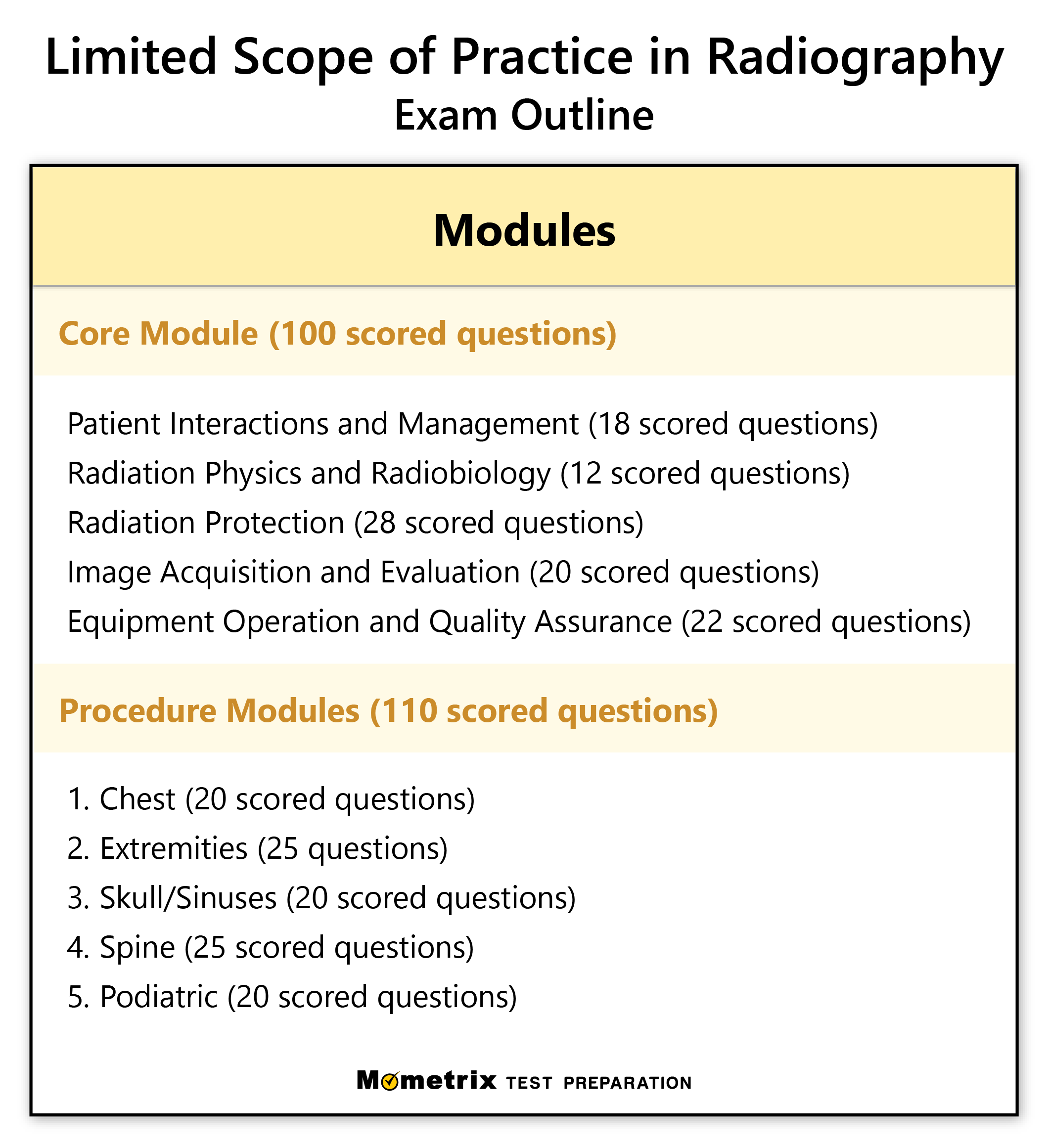
- Up to 200 questions
- A mix of scored and unscored (pilot) questions
Unscored questions are used for research and do not affect your score, but candidates are not told which questions are unscored.
What Happens After You Finish the Exam?
After completing the exam:
- You receive a preliminary pass/fail result immediately at the testing center.
- Official scores are typically available within 2–3 weeks through your ARRT online account.
- Your score report will show:
- Overall scaled score
- Performance by content category (for diagnostic purposes)
What If You Fail the ARRT Exam?
If you do not pass, this ARRT exam exam scoring system guide can help you understand your next steps.
- You may retake the exam up to three times within three years
- The score report will highlight weak areas
- You must wait a specified period before retesting
Using your score breakdown to focus on weak subjects is key to improving your performance.
Tips to Improve Your ARRT Exam Score
Understanding the scoring system allows you to prepare smarter, not harder.
Preparation tips:
- Focus on high-weight content areas
- Practice critical-thinking questions
- Take timed practice exams
- Review radiation safety and patient care thoroughly
- Avoid guessing patterns—each question is scored independently
Common Myths About the ARRT Scoring System
❌ “You must get 75% correct to pass”
✔️ False. The score is scaled, not percentage-based.
❌ “Harder questions mean you are failing”
✔️ Not true. Adaptive testing may give harder questions if you’re doing well.
❌ “Unanswered questions lower your score more”
✔️ All unanswered questions are treated the same as incorrect answers.
Final Thoughts
This ARRT exam exam scoring system guide shows that passing the ARRT exam is not just about memorizing facts—it’s about understanding how the exam is structured and scored. Knowing that a scaled score of 75 is the goal can help you focus on consistent performance rather than perfection.

You may also like

Arrt Exam Credential Digital Download

Arrt Exam Credential Support Services